
And why most of us aren’t getting enough
When we talk about “eating healthy,” fiber doesn’t always get the spotlight—but it should.
Fiber is one of the simplest, most powerful tools we have to support digestion, heart health, blood sugar balance, and even hormone health. Yet, most adults in the U.S. fall short of the daily recommendation.
So let’s break it down in a way that actually makes sense—and more importantly, feels doable.
What is Fiber, Really?
Fiber is a type of carbohydrate found in plant foods that your body doesn’t fully digest.
Instead of being broken down for energy, it moves through your digestive system—and that’s where the magic happens.
There are two main types:
Soluble fiber (forms a gel in your gut kind of like Miralax)
- Helps lower cholesterol
- Slows blood sugar spikes
- Found in oats, beans, lentils, apples
Insoluble fiber (adds bulk to stool)
- Supports regular bowel movements
- Helps prevent constipation
- Found in vegetables, whole grains, nuts, seeds
You need both.
Why Fiber Matters for Your Health
This is where fiber becomes more than just a “digestive” topic.
1. Gut Health
Fiber feeds your gut bacteria—the ones that support your immune system, digestion, and even mood.
When you don’t get enough fiber, those beneficial bacteria don’t thrive.
2. Blood Sugar Balance
Fiber slows how quickly sugar is absorbed into your bloodstream.
This is especially important if you’re dealing with:
- Insulin resistance
- Prediabetes or diabetes
- Energy crashes after meals
3. Heart Health
Higher fiber intake is linked to:
- Lower LDL (“bad”) cholesterol
- Reduced risk of cardiovascular disease
4. Hormone Balance
Fiber helps your body eliminate excess hormones—particularly estrogen—through the digestive tract.
This becomes especially important during:
- Perimenopause
- Menopause
How Much Fiber Do You Actually Need?
Most adults should aim for:
- Women: ~25 grams per day
- Men: ~30–38 grams per day
The reality? Many people are getting 10–15 grams per day—about half of what they need.
Signs You May Not Be Getting Enough Fiber
Your body often gives subtle clues:
- Constipation or irregular bowel movements
- Bloating (especially with low diversity in foods)
- Frequent hunger or cravings
- Blood sugar spikes and crashes
- Elevated cholesterol
How to Increase Fiber (Without Feeling Miserable)
This is where a lot of people go wrong—they try to go from 10 grams to 30 grams overnight.
That usually leads to:
👉 Bloating
👉 Gas
👉 Frustration
Instead:
Start low and go slow
Add 5 grams at a time over a few weeks.
Focus on whole foods
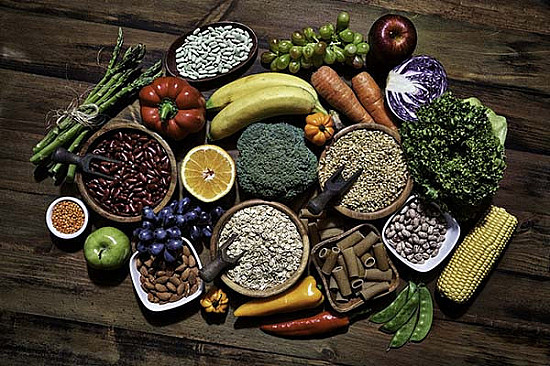
- Vegetables (aim for variety and color)
- Beans and lentils
- Fruit (especially with the skin)
- Nuts and seeds
- Whole grains like oats or quinoa
Don’t forget hydration
Fiber works best when paired with adequate water intake.
A Simple Way to Think About It
Instead of counting grams all day, try this:
👉 Add one fiber-rich food to each meal
- Breakfast: berries or chia seeds
- Lunch: vegetables + beans
- Dinner: roasted vegetables or whole grains
Small, consistent changes go a long way.
Want to Learn More?
If you’d like to explore this topic further, here are a few trusted, patient-friendly resources:
- Harvard Health Publishing – Evidence-based insights on fiber and chronic disease
- Mayo Clinic – Lists of high-fiber foods and practical nutrition tips
- American Heart Association – Guidance on fiber for heart health
- Cleveland Clinic – Easy-to-understand education on daily fiber needs
There’s no shortage of information on fiber. The challenge isn’t knowing—it’s knowing what actually applies to you.
A Note from Our Practice
At Direct Primary Care of West Michigan, we often look at fiber as a foundation, not a “bonus.”
If you’re struggling with:
- Digestive symptoms
- Blood sugar control
- Hormonal changes
- Inflammation
…fiber is often one of the first places we start—not in isolation, but as part of a bigger picture.
Final Thoughts
Fiber isn’t trendy.
It’s not complicated.
But it is one of the most overlooked tools for improving your health.
And the best part?
It’s something you can start working on today.
Want help figuring out what changes make sense for you?
We’re here to help you build a plan that fits your life—not the other way around.
📍 Direct Primary Care of West Michigan
🌐 Learn more or schedule: www.dpcestmi.com