
One of the recommendations I make fairly often in my practice is to try eliminating gluten for a period of time.
Not forever.
Not because gluten is "bad."
Not because everyone should avoid it.
But because, for some people, it can be a significant contributor to inflammation and symptoms that aren't always obvious at first.
Almost every time I suggest it, I get the same look.
"Wait...what? I can't eat bread anymore?"
Then come the questions.
"What exactly is gluten?"
"How do I know what's gluten-free?"
"What CAN I eat?"
"Isn't gluten in everything?"
If you've had those same thoughts, you're not alone.
Let's walk through it together.
First, What Is Gluten?
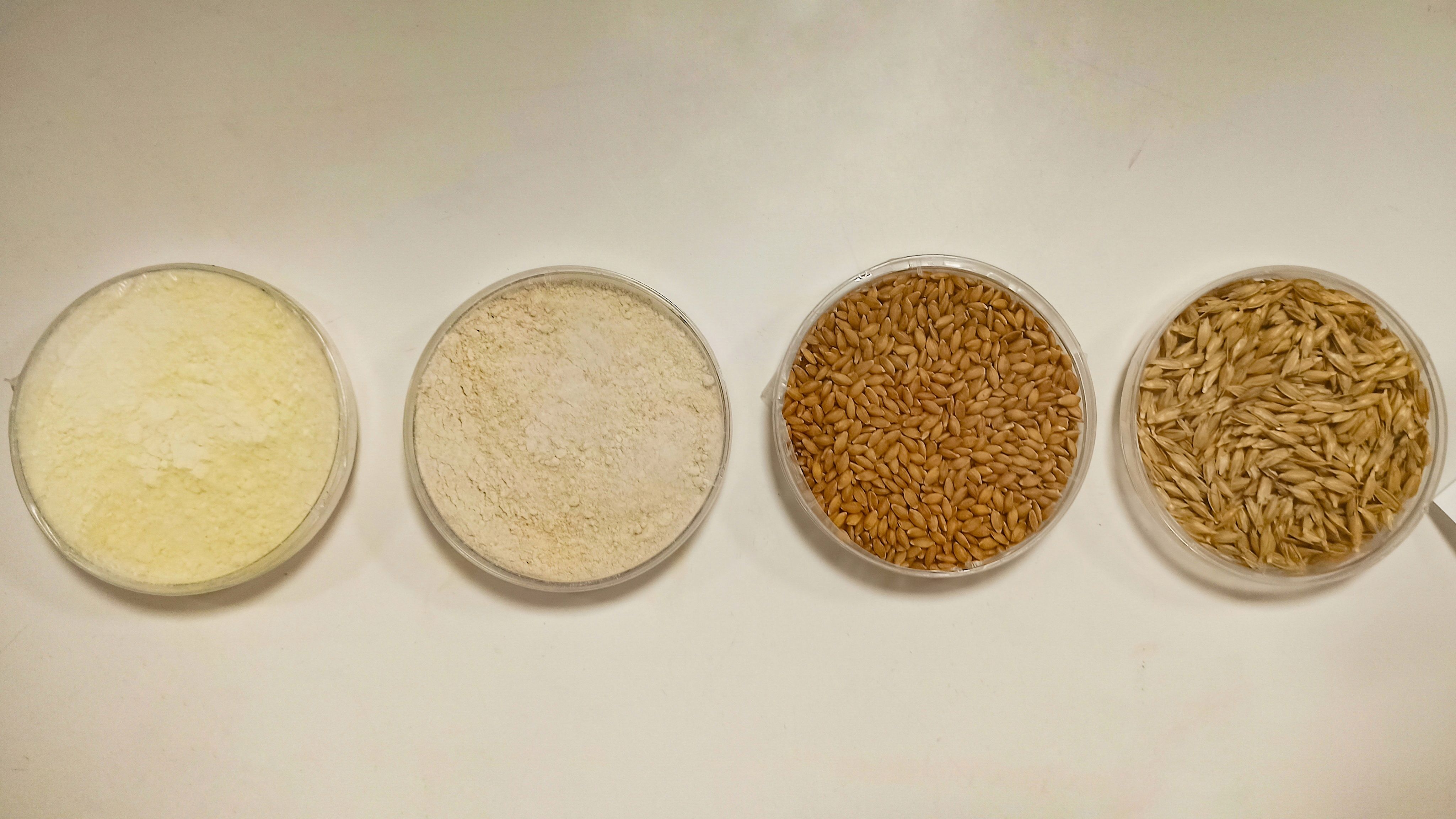
Gluten is simply a protein found in a few grains:
- Wheat
- Barley
- Rye
Its job is to give bread its stretchiness and chewy texture. It acts like a glue that helps dough hold together, which is why it's found in so many breads, baked goods, and processed foods.
That doesn't automatically make gluten unhealthy.
Many people tolerate it perfectly well.
But not everyone does.
Why Am I Asking You to Avoid It?
This is an important distinction.
I'm not recommending a gluten-free diet because it's trendy.
I'm recommending it because your symptoms make me wonder whether gluten could be contributing.
Some of the symptoms I commonly see include:
- Bloating
- Gas
- Constipation
- Diarrhea
- Brain fog
- Fatigue
- Headaches
- Joint pain
- Muscle aches
- Skin rashes or eczema
- Mouth ulcers
- Anxiety or mood changes
- Iron deficiency
- Vitamin deficiencies
- Autoimmune conditions
Sometimes the digestive symptoms are obvious.
Sometimes people tell me,
"My stomach feels fine."
Then six weeks later they realize they haven't had a headache in a month.
Or they're sleeping better.
Or their joints hurt less.
Or they have more energy than they've had in years.
That's why an elimination trial can be so helpful.
But Isn't Gluten in Everything?
It can certainly feel that way at first.
The good news is this: Gluten is mostly found in processed grain products—not in whole foods.
Think about all the foods that are naturally gluten FREE
Proteins
- Chicken
- Turkey
- Beef
- Pork
- Fish
- Seafood
- Eggs
- Tofu
- Tempeh
- Beans
- Lentils
Vegetables
Every vegetable!
Fruits
Every fresh fruit!
Naturally Gluten-Free Starches & Grains
- Rice
- Potatoes
- Sweet potatoes
- Quinoa
- Buckwheat
- Millet
- Sorghum
- Certified gluten-free oats
Healthy Fats
- Avocados
- Olive oil
- Nuts
- Seeds
- Nut butters
When you look at it this way, you'll realize there are far more foods you can eat than foods you can't.
So...Where Is Gluten?
Gluten is most commonly found in foods made with wheat, barley, or rye.
That includes:
Bread & Bakery Items
- Sandwich bread
- Bagels
- English muffins
- Rolls
- Croissants
- Biscuits
- Pizza crust
- Donuts
- Muffins
- Cakes
- Cookies
- Brownies
Pasta
- Spaghetti
- Macaroni
- Lasagna noodles
- Egg noodles
- Ramen
Snack Foods
- Crackers
- Pretzels
- Breadsticks
- Many granola bars
Breakfast Foods
- Many cereals
- Pancakes
- Waffles
- French toast
Breaded Foods
- Chicken nuggets
- Breaded chicken
- Fish sticks
- Fried foods coated in flour
The Sneaky Places Gluten Hides
This surprises almost everyone (including me, until I figured it out).
Gluten can also be found in the following packaged foods:
- Soy sauce (get Tamari instead)
- Teriyaki sauce
- Some barbecue sauces (read the lab
- Salad dressings
- Marinades
- Gravy
- Soup mixes
- Bouillon cubes (big one)
- Seasoning packets (crazy, right?!)
- Malt vinegar
- Malt flavoring
- Beer (no surprise here)
- Some processed deli meats
- Some protein bars
- Some medications and supplements (disbelief)
The lesson here is to ALWAYS read labels.
Learning to Read Labels
For the first few weeks, reading ingredient labels becomes your best friend.
Look for ingredients like:
- Wheat
- Barley
- Rye
- Malt
- Brewer's yeast
- Triticale
- “gluten”
If a product says "Certified Gluten-Free", it has met FDA standards for gluten-free labeling.
You'll quickly become familiar with the brands (there are some that cater to this special crowd) and products that fit your new routine.
The Biggest Mistake I See
People immediately start buying:
- Gluten-free bread
- Gluten-free cookies
- Gluten-free crackers
- Gluten-free cereal
- Gluten-free frozen pizza
Those foods certainly have their place, especially while you're learning.
But that's not really the goal.
I encourage patients to spend less time looking for gluten-free substitutes and more time eating foods that never contained gluten in the first place.
Instead of gluten-free pasta…
Try spaghetti squash or roasted potatoes.
Instead of crackers…
Grab vegetables with hummus.
Instead of cereal…
Eat eggs with fruit.
Instead of focusing on what you have to give up, focus on all the nourishing foods you can ADD.
How Common Is Gluten Intolerance?
Celiac disease affects approximately 1% of the population, although many people remain undiagnosed.
Beyond celiac disease, researchers estimate that non-celiac gluten sensitivity may affect somewhere between 0.5% and 6% of people. The exact number is difficult to determine because there isn't a single test that confirms the diagnosis.
For many people, the best way to determine whether gluten is contributing to symptoms is a carefully planned elimination trial followed by a thoughtful reintroduction.
One Important Exception
If I suspect you may have celiac disease, I want to test you before you stop eating gluten.
The blood tests for celiac disease work best while you're still regularly eating gluten.
If you've already removed it from your diet, the tests may appear normal even if you have the disease.
My Goal Isn't to Keep You Gluten-Free Forever
Sometimes gluten isn't the problem.
Sometimes it clearly is.
Sometimes it's only one piece of a much bigger picture that includes gut health, sleep, stress, or other food sensitivities.
That's why I don't simply tell patients to "go gluten-free."
We're running an experiment.
One that costs very little, has very little risk when done thoughtfully, and often gives us valuable information about how your body responds to food.
My Final Thought
Changing the way you eat can feel overwhelming.
I understand that.
But I've also watched many patients discover they were living with symptoms they thought were just part of getting older or something they had to live with. Or sometimes they didn’t even know they were having “symptoms” until they were gone.
If I'm asking you to try going gluten-free, it isn't because I expect you to avoid it forever or because I'm following the latest nutrition trend.
It's because I'm trying to answer an important question together:
Could this one change help you feel better?
Sometimes the answer is no.
But sometimes it's the first step toward finally understanding what's been causing your symptoms all along.