

When we think about perimenopause, most of us think about hot flashes, mood changes, or sleep disruption.
But there’s something just as important—if not more:
Your cardiovascular risk is changing.
And the challenge is… you may not feel it happening.
What’s Going On Beneath the Surface?
As estrogen levels shift, your body goes through changes that directly impact heart health:
- Cholesterol patterns can worsen
- Insulin resistance can increase
- Abdominal (visceral) fat may accumulate
- Inflammation can rise
These changes don’t always come with symptoms—but they matter.
Why This Matters
Heart disease remains the leading cause of death in women.
And for many, risk begins to increase during perimenopause—even if you feel well and are taking care of yourself.
This isn’t about doing something wrong.
It’s about understanding that your body is changing—and your approach to health may need to change with it.
What Should You Do?
This is a great time to check in with your physician and take a more intentional look at your health.
Consider reviewing:
- Blood pressure
- Cholesterol (and possibly more advanced markers)
- Blood sugar and insulin
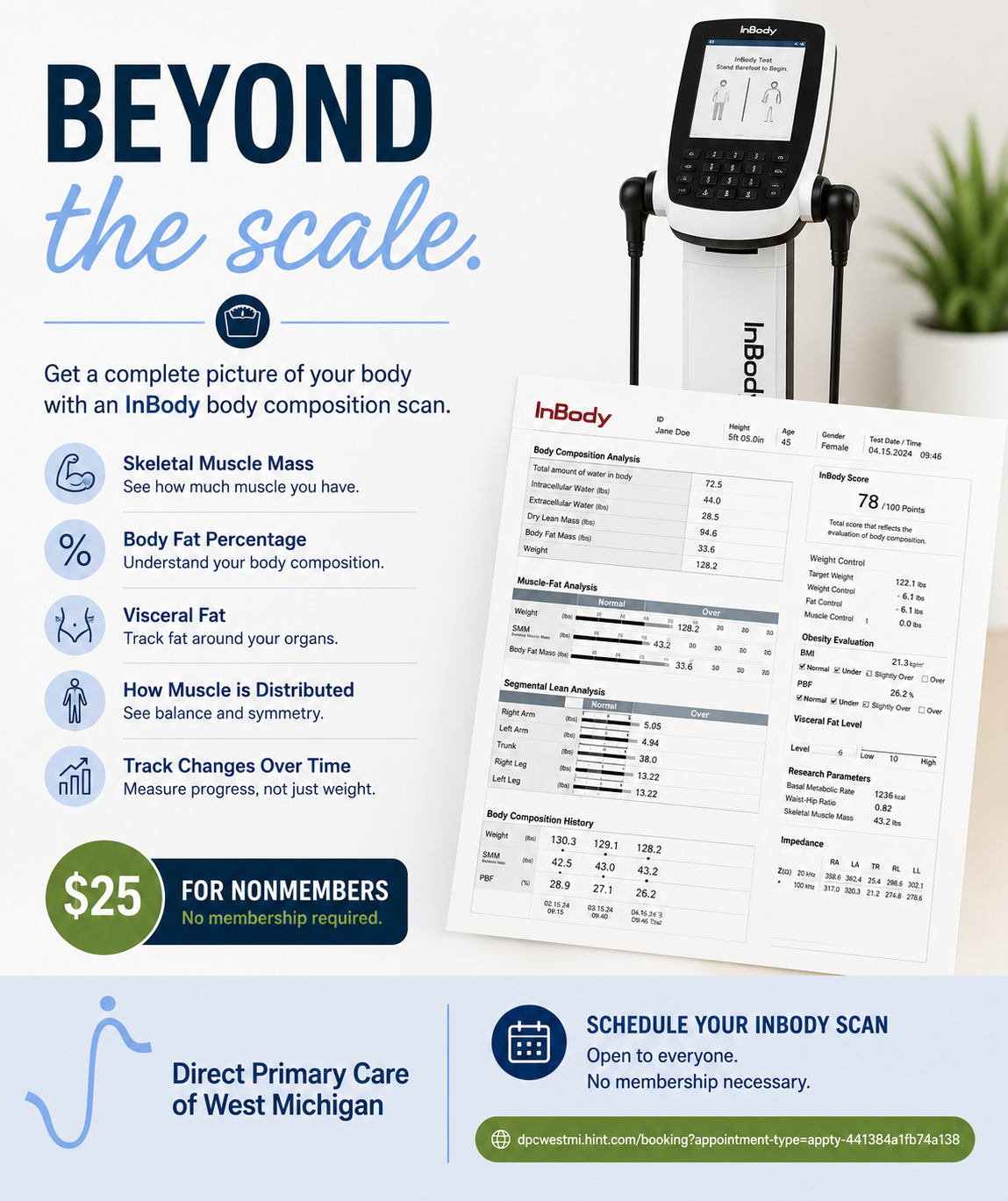
- Body composition
- Inflammation
For some women, additional testing may also be helpful depending on individual risk.
A Simple Reminder
You don’t need to panic—but you don’t want to assume everything is fine just because you feel okay.
Perimenopause is a window of opportunity.
A chance to be proactive, ask questions, and better understand your long-term health.
Talk With Your Doctor
If you’re in your 40s or 50s—or approaching that stage—this is the time to start the conversation.
Ask:
- What is my cardiovascular risk?
- Are there areas we should be watching more closely?
- Is there anything I should be doing differently right now?
Even a simple conversation can make a meaningful difference.
Your health is not just about how you feel today—
it’s about protecting your future.
🎧 Take the next step.
If this resonates with you, I encourage you to listen to this episode of The Lifestyle MD for a deeper understanding of perimenopause and heart health.