

Most of the men I see in their 50s and 60s don't wake up one day with diabetes, high blood pressure, sleep apnea, or significant weight gain.
Those conditions usually develop over years—sometimes decades.
Which means that the decisions being made in your teens, 20s, and 30s matter more than most people realize.
The good news? So does prevention.
When you're young, it's easy to assume that health is something you'll worry about later. After all, most young men can get away with a lot. A poor night's sleep doesn't seem to affect them much. Fast food is convenient. Exercise is often focused on appearance or performance rather than long-term health. Annual checkups don't feel necessary when you feel invincible.
But here's what I wish more young men understood:
The choices you make today become your habits. Your habits become your lifestyle. And your lifestyle becomes your health.
The habits you build in your teens, 20s, and 30s don't stay in your teens, 20s, and 30s. They follow you into adulthood and quietly shape the person you'll become decades later.
Build Muscle While It's Easier
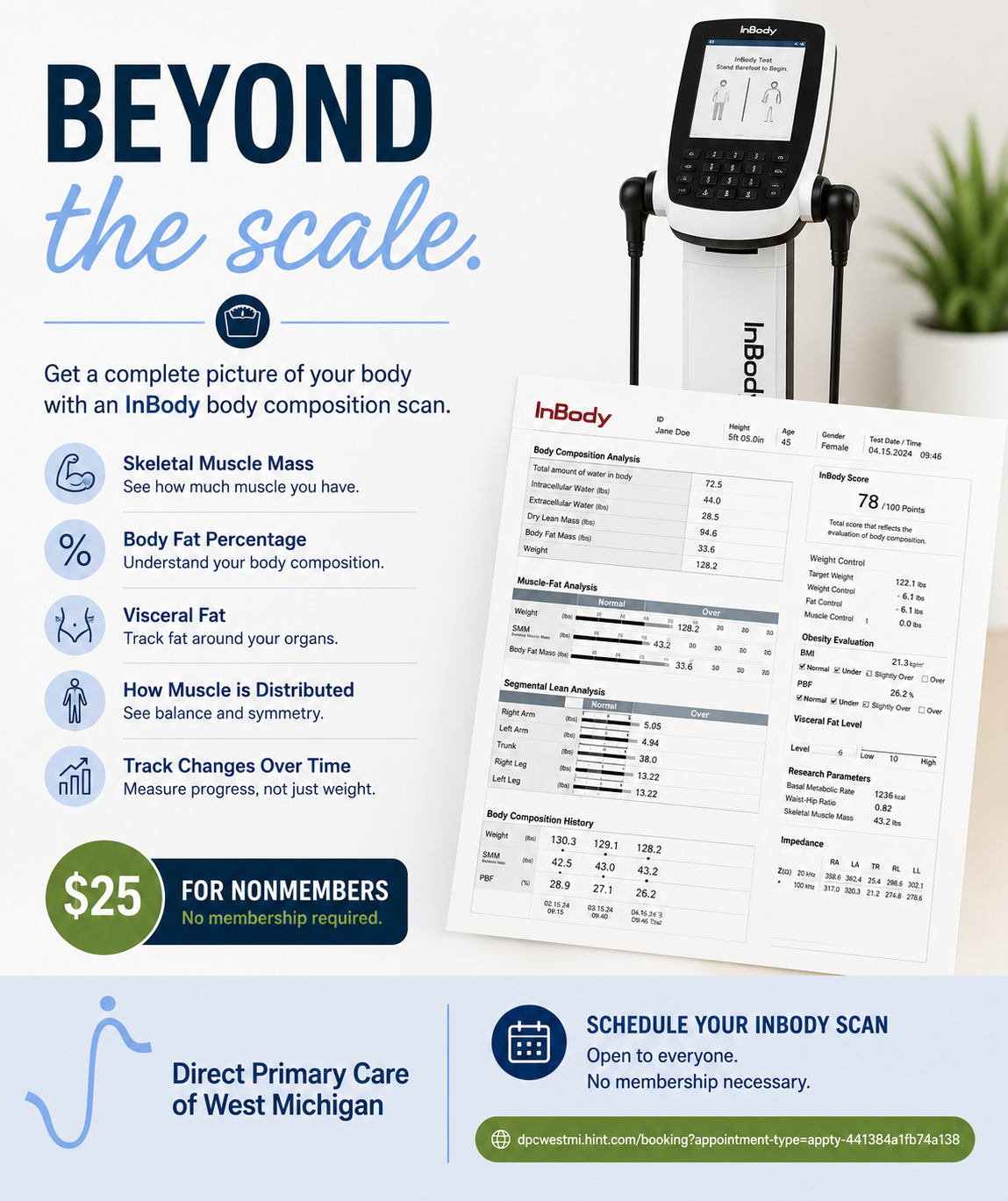
If I could give one piece of health advice to young men specifically, it would be this: build and maintain muscle.
Not because of appearance.
Not because of social media.
Because muscle is one of the most powerful predictors of long-term health.
Muscle helps regulate blood sugar, supports metabolism, protects bone health, improves physical function, and makes it easier to stay active throughout life. The men who remain strong and independent as they age rarely start thinking about muscle in their 60s—they've been investing in it for decades.
You don't need to become a bodybuilder (in fact, don’t). You just need to move your body consistently and challenge your muscles regularly.
Don't Sacrifice Sleep for Everything Else
Many young men wear sleep deprivation like a badge of honor.
Late nights studying. Gaming. Working. Scrolling. Streaming.
The problem is that sleep is when your body does some of its most important work. Recovery happens during sleep. Hormones are regulated during sleep. Memory is consolidated during sleep. Muscle is repaired during sleep.
Poor sleep affects mood, focus, athletic performance, recovery, metabolism, and overall health long before it shows up as disease.
Protecting your sleep may be one of the highest-return investments you can make.
What You Drink Matters More Than You Think
Many young men pay attention to what they eat but don't think much about what they drink.
Sugary beverages, energy drinks, excessive alcohol, and specialty coffee drinks can quietly add hundreds of calories per day while affecting sleep, energy, recovery, and long-term metabolic health.
You don't have to be perfect, but developing awareness around what you're putting into your body is a skill that pays dividends for life.
Your Relationships Affect Your Health
We often think of health as exercise and nutrition, but relationships matter too.
Healthy friendships, strong family connections, mentors, faith communities, and supportive relationships all contribute to better mental and physical health.
The people you spend time with influence your habits, your mindset, your stress levels, and often your future.
Choose those relationships carefully and cultivate them.
Don't Wait Until Something Is Wrong
One of the healthiest things a young man can do is establish a relationship with a primary care physician before he needs one.
Preventive care isn't just about finding disease. It's about understanding your baseline, knowing your blood pressure, understanding your family history, and having someone who knows you well enough to recognize when something is off (even if you don’t).
The best time to build that relationship is when you're healthy—not when you're sick.
The Goal Isn't Perfection
If you're a teenager, in your 20s, or even your 30s, you don't need to have everything figured out.
You don't need the perfect diet.
You don't need the perfect workout routine.
You don't need to optimize every aspect of your life.
What matters is building a strong foundation.
The goal isn't perfection. It's consistency.
Because the habits you're building today are shaping the health you'll experience tomorrow.
—
The information shared by Direct Primary Care of West Michigan is for educational and informational purposes only and should not be considered medical advice. Reading this content does not establish a physician-patient relationship and should not replace consultation with your healthcare provider regarding your specific medical concerns.